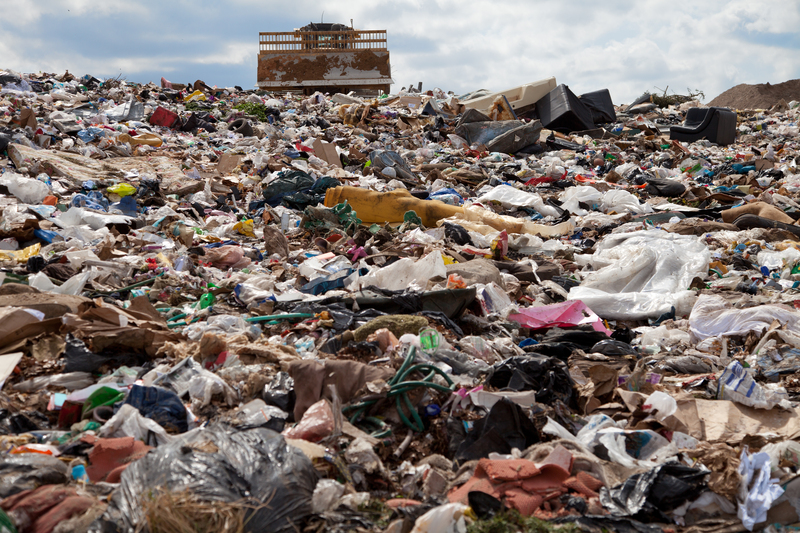
Why Packaging and Cardboard Disposal Matters for the Planet

Why Packaging and Cardboard Disposal Matters for the Planet isn't just a slogan you see on a recycling poster. It's your day-to-day decisions, it's the taping of a box at 6pm on a rainy Thursday in Leeds, it's whether that pile behind the stockroom door ends up in a landfill, or back on a shelf as a brand-new box. Small choices, big ripple effect. And, to be fair, the impact is bigger than most people think.
In the UK, paper and cardboard are the backbone of packaging. According to Defra statistics, the recycling rate for paper and cardboard packaging has hovered around the 80-85% mark in recent years, making it one of our strongest performers. Still, tonnes of corrugated boxes and cardboard sleeves get contaminated, compacted with the wrong waste, or landfilled where they emit methane--far more potent than CO2 over a 100-year period. That's avoidable. And fixable.
This long-form guide is written for people like you--operations managers, facilities leads, sustainability teams, or just the one person in the office who cares. It blends expert advice, practical steps, a UK law lens, and real stories to help you reduce costs, cut carbon, and make your packaging genuinely planet-positive. Why packaging and cardboard disposal matters for the planet becomes very real when it's your storeroom, your bin day, your budget.
Table of Contents
- Why This Topic Matters
- Key Benefits
- Step-by-Step Guidance
- Expert Tips
- Common Mistakes to Avoid
- Case Study or Real-World Example
- Tools, Resources & Recommendations
- Law, Compliance or Industry Standards (UK-focused)
- Checklist
- Conclusion with CTA
- FAQ
Why This Topic Matters
Let's set the scene. You finish a delivery run. Boxes everywhere. Some are pristine; some have those little tears along the edges; one of them still smells faintly of oranges. The easy route? Chuck it all into the general waste. The smarter route? Flatten, segregate, and send it back into the circular economy where it belongs.
Why packaging and cardboard disposal matters for the planet boils down to three things:
- Carbon: Recycling cardboard typically uses far less energy than making it from virgin fibre. Industry guidance suggests recycling a tonne of cardboard can avoid up to a tonne of CO2e compared with landfill plus virgin production--context matters, but the scale is real.
- Methane: When cardboard is landfilled and breaks down anaerobically, it releases methane, a greenhouse gas with a global warming potential many times higher than CO2 over 100 years.
- Resources: Cardboard is a champion of circularity. Good-quality fibres can be recycled multiple times (commonly 5-7 loops) before they lose strength. Every cycle extends the life of the original tree fibre.
In everyday life, this means less lorry traffic (if you bale and compact efficiently), fewer bins, lower disposal costs, and a clearer conscience. No one really wants to walk past a leaning tower of boxes by the fire exit--its kinda wild how normal that's become.
Micro moment: One warehouse manager told us, "On Mondays, you could almost smell the cardboard dust in the air. Once we brought in a baler and labelled the bins properly, the whole place felt calmer." Clean, clear, calm. That's the goal.
Key Benefits
Why Packaging and Cardboard Disposal Matters for the Planet is not just environmental. It's operational. It's reputational. It's financial.
- Cost Savings: Flattened and baled cardboard massively reduces volume. That means fewer collections and lower waste costs. Some businesses even generate modest revenue by selling bales of OCC (Old Corrugated Containers).
- Carbon Reduction: Less virgin fibre, less energy, fewer transport miles. You're cutting emissions where it counts.
- Compliance & Risk Reduction: Proper segregation and duty-of-care documentation protect you under UK waste law. Fewer nasty surprises during audits.
- Brand & Customer Trust: Consumers notice packaging. When you right-size boxes and avoid unnecessary fillers, you reduce returns frustration and signal care. In a London coffee shop or an online skincare store--it shows.
- Operational Efficiency: A tidy, well-labelled waste area speeds everything up. Staff spend less time moving waste and more time serving customers.
- Supply Chain Leverage: When you ask suppliers for recycled-content boxes or FSC-certified fibre, you nudge the entire chain toward better practices.
Quick story: A boutique in Shoreditch switched to right-sized boxes and recyclable paper tape. Their pick-and-pack station got faster--less time wrestling with void fill--and customers started commenting, in a good way, on the "thoughtful packaging." Little things stack up.
Step-by-Step Guidance
Here's a practical framework any UK business can use. Whether you're a high street bakery or a regional distributor, the flow is similar.
1) Audit what you handle
Count box sizes, volumes, contamination points, and peak days (e.g., after major deliveries or online sales). Make notes of where cardboard gets wet or mixed with food waste. Take photos--seriously. Seeing the pile on a Friday at 4pm is sobering.
2) Map your waste journey
From goods-in to storage to disposal, outline where cardboard travels. Where does it get flattened? Where do staff hesitate? Where are the labels unclear? A simple flow chart can save weeks of trial and error.
3) Segregate and label clearly
Use colour-coded bins or cages. Put cardboard only near goods-in to capture it at the cleanest point. Keep separate from plastics, shrink wrap, and food. Labels should be simple: "Cardboard Only - No Food, No Liquid."
4) Flatten at source
Flattening straight away reduces volume by 70-90%. Use a box cutter safely, train staff, and provide gloves. Set a rule: before break time, the pile is flattened. A small habit, big impact.
5) Keep it dry
Moisture ruins fibre quality. Store cardboard under cover, not outside where it can soak up the classic British drizzle. If it was raining hard outside that day, you'll thank yourself for a proper shelter.
6) Decide on compaction method
- Manual flattening + cages: Good for low volumes, low cost.
- Portable compactors: Useful on sites with limited storage; moderate volumes.
- Baling machines: For higher volumes. Bales of 200-450 kg are common and attractive to recyclers. Training and safety procedures are essential.
7) Choose a responsible collector
Check the waste carrier's licence (Environment Agency). Ask for end-destination transparency and get regular weight reports. Confirm EWC code 15 01 01 (paper and cardboard) is on your Waste Transfer Notes.
8) Train your team
Run short toolbox talks. Show examples of contamination (greasy boxes, wet fibre, mixed plastics). Celebrate wins--first week you hit 100% segregation, bring biscuits. Culture matters.
9) Right-size your packaging
Review product-to-box fit. Over-boxing is money and carbon down the drain. Use a box library, modular sizes, and fit-to-size tech if volumes justify it. Switch to paper tape to simplify recycling.
10) Track, improve, repeat
Monitor weights, contamination rates, missed collections, and staff feedback. Set quarterly targets, like "reduce DMR (dry mixed recycling) contamination by 20%." You'll see momentum build.
Ever tried clearing a room and found yourself keeping everything "just in case"? Packaging audits are like that. Be bold--if you don't need it, don't buy it. If you do need it, make it recyclable and right-sized.
Expert Tips
- Know your fibre grades: EN 643 sets out standard paper and board grades for recycling. If you're selling bales, "OCC 95/5" (95% corrugated boxes, 5% other) is a common benchmark.
- Prevent contamination at the source: Pizza boxes and food-smeared fibre can degrade the whole batch. Train teams to tear off clean lids and bin the greasy base.
- Specify recycled content: Ask suppliers for 60-90% recycled-content corrugated board where strength allows. Many retail boxes already contain majority recycled fibre--make it a requirement.
- Switch to paper tape: It's recyclable with cardboard in most UK streams. Less fiddly than ripping off plastic tape later.
- Consolidate deliveries: Fewer deliveries = fewer boxes. Talk to suppliers about bulk deliveries or reusable totes for internal transfers.
- Use OPRL labels: The On-Pack Recycling Label scheme makes it easy for customers to recycle correctly. The fewer mixed messages, the cleaner your returns.
- Fire safety first: Cardboard is combustible. Keep stacks away from heat sources, maintain clear routes, and follow insurer and HSE guidance on bale storage.
- Seasonal surge planning: In Q4, volumes spike. Book extra collections early, ensure spare baling wire, and brief temporary staff.
- Data is your ally: Use weigh tickets and monthly reports to quantify savings. It's how you unlock budget and prove progress.
- Close the loop: Highlight the story--"Our boxes are recycled into new boxes within weeks." People like to know the loop is real. Because it is.
Small aside: One shop manager joked, "We moved the bin three metres closer to the door and suddenly everyone became a recycling hero." Behaviour follows design. Make the right action the easy action.
Common Mistakes to Avoid
- Mixing waste streams: Cardboard tossed into general waste or contaminated with liquids becomes unrecyclable. Keep it clean, keep it dry.
- Over-ordering box sizes: Too many sizes complicate picking and cause over-packaging. Standardise where possible.
- Ignoring moisture: Wet cardboard loses fibre quality and value. Even a short rain shower can spoil an entire stack.
- Skipping documentation: No Waste Transfer Notes? No audit trail. Keep them for at least two years and ensure they include SIC codes and EWC codes.
- Not training new starters: People copy what they see. Induct them properly, with pictures and a quick demo.
- Forgetting to right-size: Customers don't love a tiny item in a massive box. Carriers sometimes upcharge for volumetric weight, too. Lose-lose.
- Using heavily laminated or waxed fibre: Many of these composites aren't widely recyclable curbside. Use recyclable alternatives where possible.
- No contingency for peak periods: Christmas, big campaigns, or promotions will swamp your system. Plan capacity and pickup frequencies.
- Poor bale quality: Loose ties, contamination, or odd sizes make bales harder to trade or collect. Follow manufacturer guidance.
- Choosing unlicensed carriers: If a rogue collector fly-tips your waste, you're still responsible under Duty of Care. Check licences every time.
Yeah, we've all been there--the "we'll sort it later" pile that becomes a hazard. Don't wait. Five minutes now saves five hours later.
Case Study or Real-World Example
North London Homeware Retailer (E-commerce + Store)
Context: A growing homeware brand with a small warehouse and a shop near Holloway Road. Weekly deliveries brought in a torrent of boxes. Cardboard either spilled into general waste or sat damp by the back door.
- Challenges: Moisture, limited space, inconsistent staff training, rising waste collection fees, negative staff morale ("the back area's always a mess").
- Actions: Conducted a two-week audit; installed a mid-size vertical baler; added a canopy to keep fibre dry; switched to paper tape; standardised packaging sizes; updated supplier specs to 70%+ recycled content; trained the team (15-minute demo plus a simple poster).
- Results (12 weeks): General waste bins reduced from 4 to 2 per week; recycling tonnage up 60%; contamination rate under 3%; estimated carbon saving ~11 tCO2e annually; direct savings of ?4,200/year on collections; staff reported "less clutter, less stress."
The store manager told us, half-smiling, "On the first day, it wasnt smooth. But by week two, you could hear the baler cycle like clockwork and see the floor again. Customers even noticed the tidier back-of-house during workshops."
It's not just about green credentials. It's about flow. About calm. About taking back control of your space.
Tools, Resources & Recommendations
Hardware
- Box cutters and safety gloves: Non-negotiable for flattening. Train for safe use.
- Tip-and-roll bins or wire cages: Position them where cardboard is generated (goods-in, packing station).
- Baling machines: Choose size based on throughput. Small bales (50-150 kg) suit shops; medium (200-350 kg) fit warehouses; large (>400 kg) for distribution centres.
- Rain cover/canopy: A simple shelter protects fibre quality. UK weather is... well, UK weather.
Software & Data
- Waste reporting dashboards: Track weights, contamination, and collection frequency.
- Training micro-modules: Short videos or posters highlighting do's and don'ts.
- Packaging design tools: Fit-to-size software can reduce materials and postage.
Standards & Guidance
- EN 643: European List of Standard Grades of Paper and Board for Recycling (know your OCC grade).
- FSC/PEFC: Responsible fibre sourcing certifications.
- OPRL: Clear UK recycling labels for consumers.
- WRAP & Recycle Now: Practical UK guidance on recycling streams and behaviour change.
- ISO 14001: Environmental management systems framework for continuous improvement.
In our experience, the best "tool" is actually signage plus habit loops. Put the right bin in the right place, label it well, and give friendly reminders. It sounds basic. It works.
Law, Compliance or Industry Standards (UK-focused if applicable)
UK waste and packaging rules are evolving quickly, and staying compliant is part of being a good neighbour and a responsible business.
- Environmental Protection Act 1990 - Duty of Care: You must ensure your waste is handled safely from your site to final destination. Use licensed carriers, complete Waste Transfer Notes (keep for at least two years), and include EWC code 15 01 01 for paper/cardboard.
- Waste (England and Wales) Regulations 2011: Requires you to apply the waste hierarchy: Prevent, Reduce, Reuse, Recycle, Recover before disposal. Separate collections for paper/cardboard are encouraged to improve quality.
- Producer Responsibility Obligations (Packaging Waste) Regulations 2007 (as amended): If you handle significant packaging (historically >50 tonnes and turnover >?2m), you may have obligations to fund recycling. The regime is transitioning to Extended Producer Responsibility (EPR).
- Extended Producer Responsibility (EPR) for Packaging: Data reporting began for many producers in 2023. Full fees, modulated by recyclability, are being phased in. Expect stronger incentives to use widely recyclable cardboard and to design out contamination.
- Waste Carrier Licence: Anyone transporting waste commercially must hold a valid licence (check via Environment Agency).
- OPRL and Labelling: Clear consumer labelling reduces contamination and supports EPR goals.
- Health & Safety: Follow HSE and manufacturer guidance for balers, compactors, and stacking bales or bundles (strapping, spacing, access routes).
- BS EN 13430: Packaging recoverable by material recycling--useful in design decisions to ensure your fibre-based packaging is genuinely recyclable.
Note: Scotland, Wales, and Northern Ireland may have additional or slightly different rules and timetables. Always check the latest from your devolved government and Defra. Laws move; good practice stays.
Checklist
- We have a simple map of our cardboard flow from goods-in to collection.
- Bins/cages are placed at the points of generation--clearly labelled "Cardboard Only."
- Team trained on flattening, contamination, and baler safety.
- Cardboard is kept dry at all times (covered storage).
- We right-size packaging and use recyclable paper tape.
- We track weights, contamination, and missed collections monthly.
- Waste Transfer Notes are complete with EWC 15 01 01 and kept on file.
- Our collector is licensed and provides end-destination transparency.
- We've planned for seasonal peaks (extra bins/wire/collections).
- Suppliers are asked for recycled content and recyclable designs (FSC, EN 13430).
If you can tick most of these, you're ahead of the pack. If not, no stress--start with one or two changes this week.
Conclusion with CTA
When people ask, "Why Packaging and Cardboard Disposal Matters for the Planet?" I tend to say: because it's one of the few sustainability wins that's right there, in front of you, every single day. Tangible, measurable, fixable. You'll save money, reduce carbon, and create a cleaner workspace. And your team will feel the difference--less clutter, less confusion, more pride.
Imagine the back door area on a drizzly Tuesday morning: no sagging pile of boxes, no frantic dash with the general waste bin, just neat stacks, labelled bins, and a routine that runs like a kettle boiling--quietly, reliably. You'll feel it in your shoulders, that little drop in stress. That's the change.
Get a free quote today and see how much you can save.
Thanks for caring. Truth be told, it's the caring that changes things.
FAQ
1) Can greasy pizza boxes be recycled?
Usually, the greasy part isn't accepted because oil weakens paper fibres. Tear off and recycle the clean lid, then bin the greasy base with food waste where appropriate.
2) Do I need to remove tape and labels from boxes?
Most UK mills can handle small amounts of tape and labels. Switching to paper tape helps. Remove large plastic strips when practical, but perfection isn't required.
3) What's the best way to store cardboard before collection?
Keep it dry, clean, and off the floor. Flatten immediately and stack or bale. Use a canopy or indoor area, especially in winter. Moisture is the main enemy.
4) How many times can cardboard be recycled?
Cardboard fibres typically survive around 5-7 cycles before they get too short. That's why adding some virgin fibre is still needed for strength in each loop.
5) Is it worth getting a baler?
If you generate moderate-to-high volumes (e.g., multiple cages per week), a baler can reduce collections, cut costs, and potentially generate rebate. Always include training and safety protocols.
6) What's OCC 95/5?
It's a common quality grade for Old Corrugated Containers, meaning around 95% corrugated cardboard and up to 5% other paper-type materials. Higher purity usually means better rebate.
7) Can wet cardboard be recycled?
Lightly damp fibre may be tolerated, but soaked cardboard loses strength and is often rejected. Keep it dry to maintain quality and value.
8) Are all cardboard boxes equally recyclable?
Plain corrugated is widely recyclable. Boxes with heavy wax coatings, metallic laminates, or mixed materials can be problematic. Choose designs that meet recyclability standards (e.g., BS EN 13430).
9) Should I compress cardboard with general waste to save space?
No. Compaction with general waste usually contaminates the fibre, making it non-recyclable and more expensive overall. Segregate and flatten at source instead.
10) What documents do I need for compliance in the UK?
Keep Waste Transfer Notes for each movement, including EWC 15 01 01, SIC codes, and carrier licence details. Retain records for at least two years and use licensed carriers.
11) How can I reduce packaging without risking damage in transit?
Use right-sized boxes, protective paper wraps, and test drops for fragile items. Fit-to-size technology and double-walled corrugate for heavy products can reduce void fill without compromising protection.
12) What's the difference between compostable and recyclable cardboard?
Plain cardboard is both recyclable and compostable, but recycling is usually better for carbon savings. "Compostable" coatings can confuse systems--check local guidance and aim for widely recyclable first.
13) Can I sell my cardboard bales?
Often, yes. If you produce good-quality OCC bales in sufficient volumes, recyclers may pay a rebate based on market rates. Quality, weight, and consistency matter.
14) What's the simplest change with the biggest impact?
Flatten at source and keep it dry. Those two habits improve quality, reduce collections, and set the stage for everything else to work smoothly.
15) Will EPR affect my packaging choices?
Yes. Extended Producer Responsibility will link costs to recyclability and packaging formats. Designing for recycling and using clear consumer labelling (OPRL) will be rewarded.
Ever felt overwhelmed by all this? Start small. One bin, one sign, one training moment. Then build. Youll be amazed how quickly the system starts to look after itself.